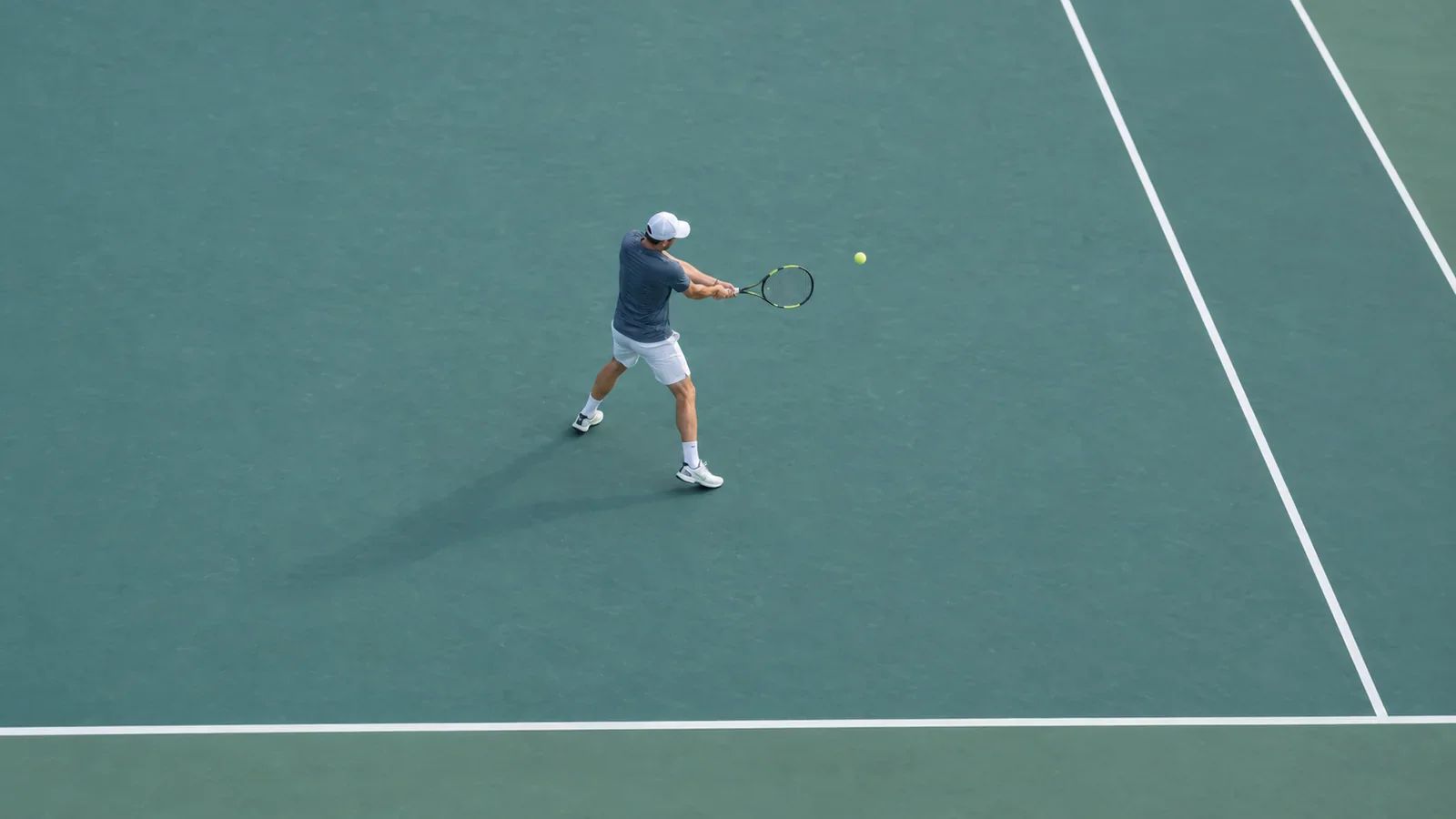
A handful forhend immediately draws attention, because most tennis players hit the forhend with one hand. There is no one answer whether it’s worth exercising: it depends on age, strength, coordination and what is the purpose of the training. It’s worth treating it as a option to check, not a solution for everyone.
How is this hit?
Both hands hold the rocket, just as with a bracelet bekhendis, although the accurate catch and preparation depend on the player. For example, Fabrice Santoro was famous for a bracelet forhendu. If you want to see how this hit looks in practice, recordings of his games are a good reference point but will not replace the coach's instructions about his own technique.
Possible advantages and limitations
The second hand can help some people run a rocket and control contact, especially at the beginning of learning. The blow may also be comfortable for a player who feels more secure with both hands on the catch.
On the other hand, an additional hand can limit the reach, make it difficult to play far from the body and change the way you move to the ball. whether it will interfere depends on a specific player. It is not worth assuming that the shrinking forhend automatically protects against injuries or that playing one hand leads to a body imbalance. If you feel pain or have doubts about the burden, talk to your doctor or physiotherapist.
Should the beginners try it?
A child or an adult who is difficult to conduct a rocket with one hand at the beginning can try a disturbing option under the eye of a coach. The coach will help assess whether it makes learning easier or rather restricts movement. Later change of technique is possible, but it doesn't have to be necessary if the chosen way of playing works and does not cause discomfort.
The best choice is one that allows you to hit freely, move to the ball and develop the rest of the game. Experiment on training, compare both options and decide based on your own comfort and coach's opinion.