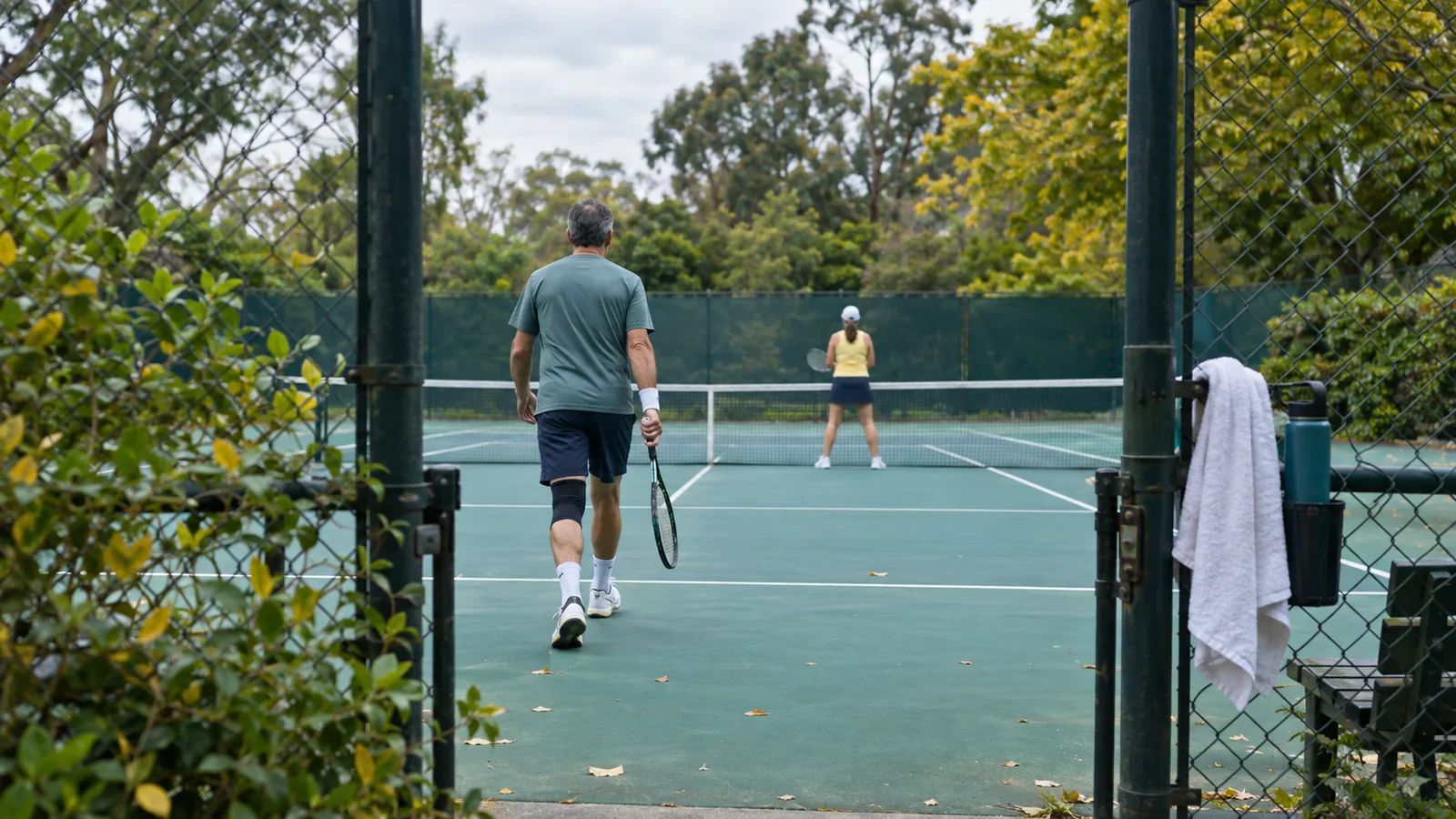
Tennis combines sprints, braking, turning and repeated strikes. Pain after playing doesn’t always mean a serious injury, but it’s not worth diagnosing or playing through aggravating disorders. Causes can be different: load, technique, equipment, previous injury or factors that are not directly related to tennis.
Where is the most common discomfort?
- The Bark: Disorders at serving and other movements above the head can have different causes.
- Close and Preface: Repeated impacts may be associated with pain on the inner or external side of the lungs.
- The Overhead: Discomfort can occur with strong catch, contact with the ball or certain strikes.
- Back, stomach and shoulder: Rotation and sudden direction changes can be burdened by the tools and the surroundings of the bioders.
- Knee and foot: Sprints, stops and reflections involve the legs at every point.
Similar symptoms may result from different problems, so its cause should be assessed by a qualified specialist.
What to do when something hurt?
Stop playing if the pain increases, changes the way you move or prevent normal movement. Do not try to “play” the injury or return to intensive training only because the symptoms have dropped for a moment. In case of severe or sudden pain, clear swelling, difficulties with endocrine loading or other annoying symptoms, seek urgent medical help. With persistent disorders, contact your doctor or physiotherapist.
Exercises, stretching, stabilizer or change techniques are not a universal solution and may not be suitable for any person. A specialist can help you determine a plan and a safe return rate to training.
How to reduce unnecessary risks
Before playing, spend time on gradual heating, select intensity to your experience and increase the load with moderation. take care of the top shoes suitable for the surface and a missile that you can freely control. If you change the game frequency or return after a long break, consult the plan with a coach or physical preparation specialist.
The trainer can help assess the technical elements and training plan, but does not replace the doctor in diagnosing a wound. Note when the pain occurs, how long it lasts and what strengthens it; this information may facilitate the conversation with a specialist.