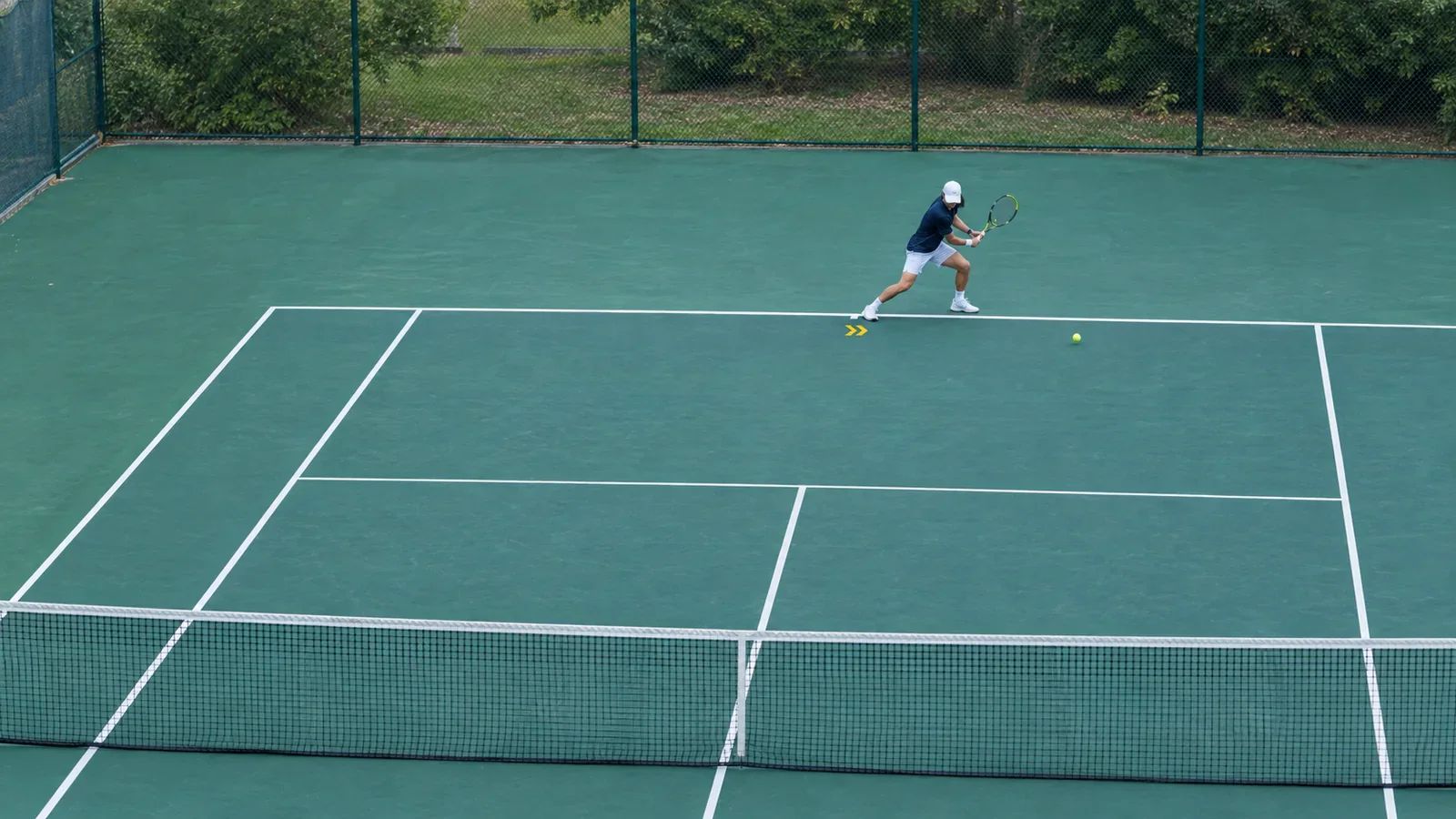
Successful return after a throwing service, passing shot after a long exchange or backhand by line rarely take the case. Before the rocket gets into the ball, you need to hit it, set up and maintain balance. Therefore, work of your legs has an impact not only on whether you reach the ball, but also on the quality of the blow.
More time and control
When you get to the ball early enough, you can calmly prepare the rocket, set your feet and get a hit. If you delay or hit in the run without balance, the choice is often swallowed. Then it's more difficult to change direction or give the ball the rotation you planned.
The work of the legs also helps to use the whole body, and not just the arm. The setting and rotation of the balls support the blow, and a stable position facilitates control. This does not mean that every game must look the same: sometimes the ball has to be played out of the run, but good preparation increases the chance that you will do it consciously.
Fewer balls in a hurry
Many mistakes that look like a problem with the forehand or backhand begin earlier: from a delayed start, bad distance from the ball or lack of balance. When you better stop to hit, it is easier to keep the ball in the cart and repeat the game. Good work of the legs does not remove all the errors but allows you to play more often from the position you choose.
Movement after a blow is also important.
After a return or strong forehandse the action does not end. You need to recover the position and prepare for the rival's response. Short steps to correct before the hit and back to the middle of the cart help respond to the next game. The players who move well on the cart often can defend the ball, and a moment later go to the attack.
What to exercise?
At training, pay attention to the first step after you hit a rival, adjust the distance from the ball and return to the position from which you can move on both sides. It’s not running without a goal. Every exercise should combine the movement with the situation that occurs in exchange. If you are delayed to the ball, ask the coach for a task focused on the start and setting; if you lack balance, work on control of the position at contact.
When the next time you play a great return or you get to a hard ball, pay attention to what happened just before a hit.